Building A More Resilient Garden
Brenda Ortmann, Anoka County Extension Master Gardener
In Minnesota, we’re used to gardening in weather extremes. We know our freeze-thaw cycles, wet springs, sudden summer thunderstorms, and the predictable August drought. These swings seem more pronounced now, and our plants feel the effects. Resilient gardening is an approach that strengthens a garden from the ground up. It starts with healthy soil, selecting plants suited to your growing conditions, and designing garden beds that can handle changing weather and continue to thrive.
The most stable part of any garden is the soil. Healthy soil acts as a natural “shock absorber,” protecting plants from too much or too little moisture while buffering extreme temperature swings. Building healthy soil creates a system that helps prevent problems instead of reacting to them when non-ideal weather inevitably arrives. Adding compost each year, minimizing tillage to preserve soil structure, and applying mulch are all simple ways to create a stronger foundation for your garden.
Water wisely. Become a steward of water rather than simply a consumer. Collect rainwater in barrels during our wet springs, then use it to water deeply at the base of plants during heat waves or dry spells. Watering in the early morning or evening reduces evaporation and helps plants make the most of every drop. Installing a drip irrigation system is another excellent way to conserve water, and with a little help from Professor YouTube, it can be a manageable DIY project. After the harvest is an ideal time to install one because the weather is cooler and there’s less pressure to get it done quickly.
Plants are most resilient when they grow in conditions similar to their native habitats. To reduce both maintenance and disappointment, choose native or native-adjacent plants whenever possible. In Anoka County, prairie plants and other deep-rooted species thrive in our sandy soils. Flowering plants that have performed well in my gardens include pale purple coneflower, prairie blazing star, smooth blue aster, sand coreopsis, anise hyssop, blue wild indigo, and mountain mint. Shrubs that thrive in my yard include ninebark, serviceberry, elderberry, viburnum, and dogwood. For grasses and sedges, little bluestem, yellow prairie grass (formerly Indian grass), and Pennsylvania sedge are all dependable choices. Unless you live in one of our local peat bogs, avoid plants that require consistently moist soil throughout the summer. They’ll demand more work and may still struggle to survive.
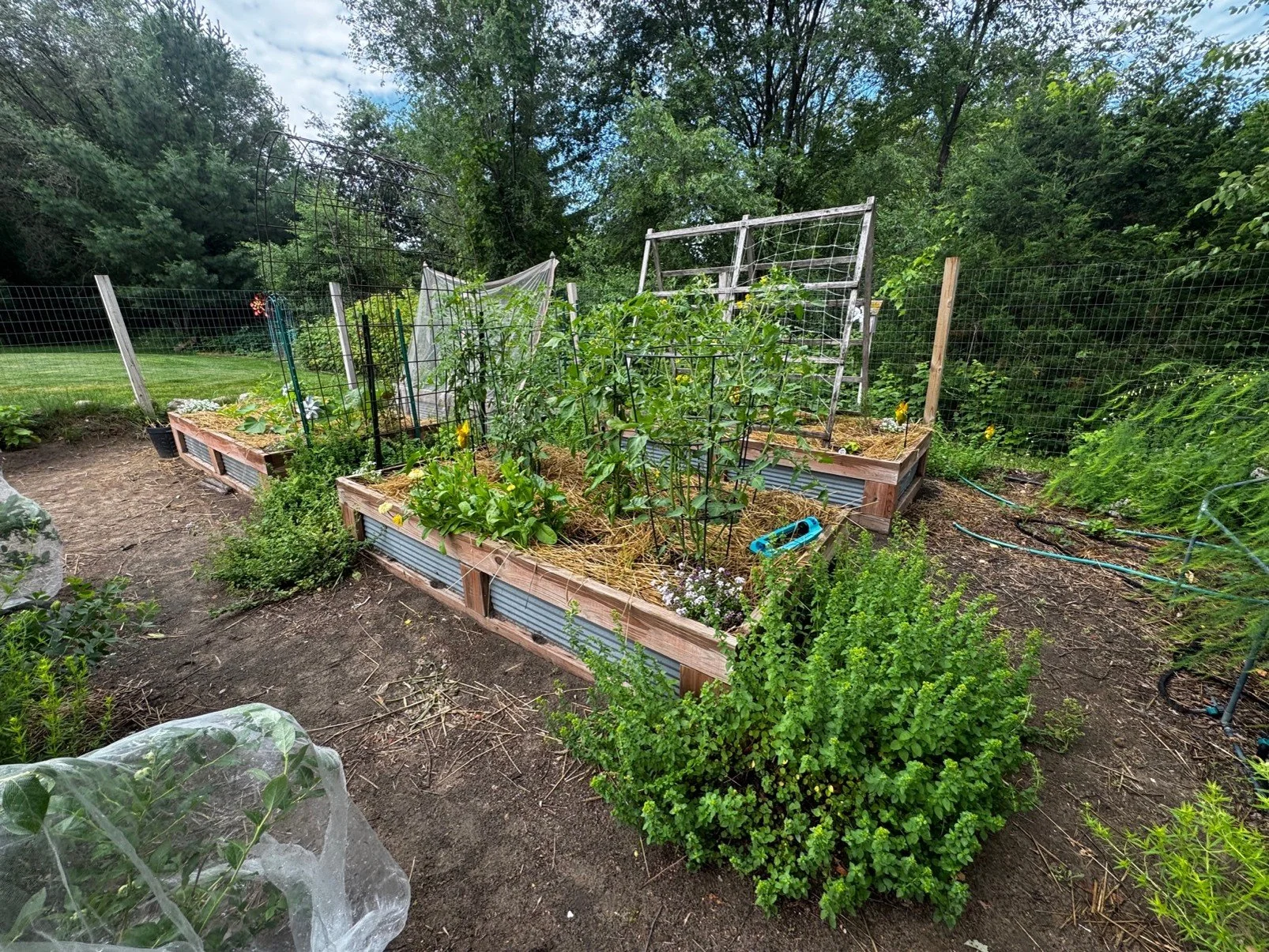
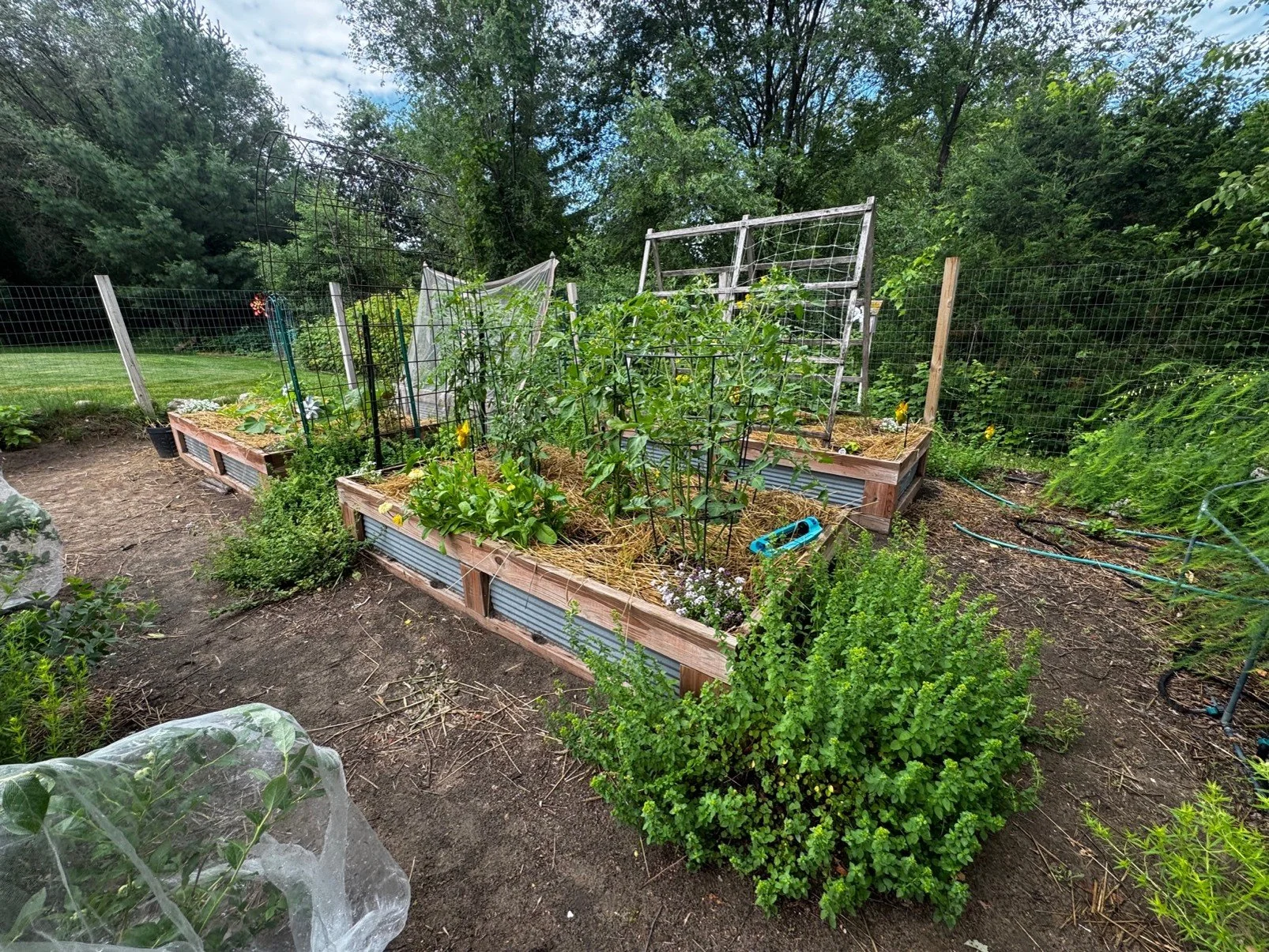
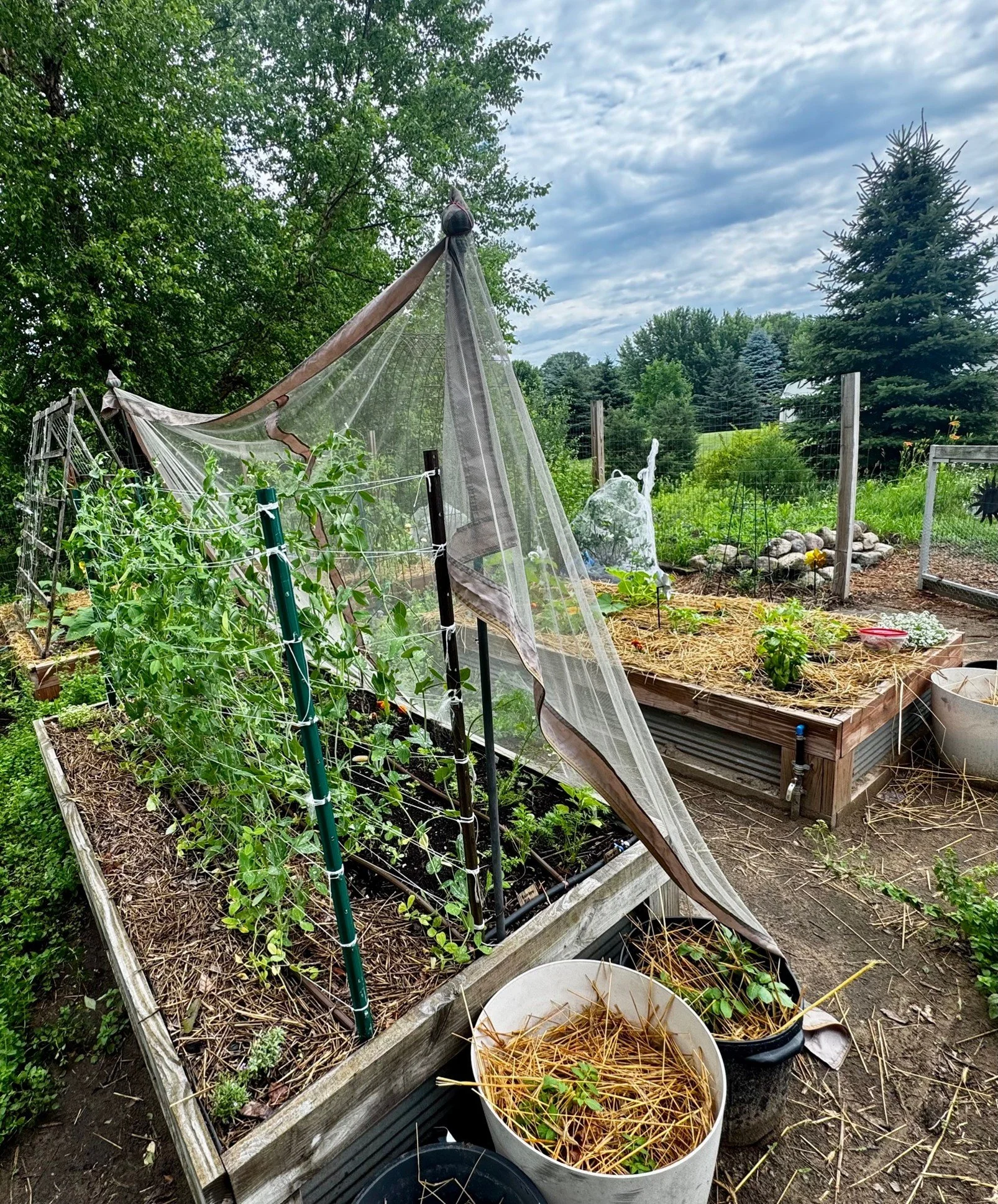
For vegetable gardens, healthy soil and efficient watering remain the foundations of success. When temperatures soar, a shade cloth can significantly reduce the heat around your plants. I use an insect screen draped over old curtain rods and secured with zip ties in my raised beds. Mulching vegetable beds helps retain moisture and insulates roots from excessive heat. It’s also best to pause fertilizing until daytime temperatures consistently fall below 80°F.
Resilience is about becoming a more adaptable gardener. By improving your soil, using water thoughtfully, and choosing plants that naturally fit your landscape, you can create a garden that is better prepared for whatever Minnesota weather brings. While we can’t control the forecast, we can build gardens that are ready to weather it.